Blue Canyon Country Club: Canyon vs Lakes
Blue Canyon is the name travelling golfers know before they land in Phuket. It's the island's prestige address, the course with the tournament history and the Tiger Woods stories, sitting up in the green north of the island ten minutes from the airport. What the brochures don't make clear is that Blue Canyon isn't one course — it's two, and they are very different rounds of golf. The Canyon Course is a genuine championship test that has humbled tour professionals. The Lakes Course is its friendlier sibling, built for the rest of us. Pick the wrong one for your game and you'll either be bored or beaten up. Pick the right one and you'll understand what all the fuss is about.
This guide covers both: where the club came from, what each course is really like to play, which one suits your handicap if you only have one day, what it costs, and the logistics trick most visitors miss — Blue Canyon's airport location makes it the best arrival-day or departure-day round in Phuket.

A tin mine, a rubber estate, and a tournament venue
Like several of Phuket's best courses, Blue Canyon began as industrial land. The property in Mai Khao, in the island's north, was an old tin mine and rubber estate — scarred ground criss-crossed with mining ponds and natural canyons, useless for farming and, as it turned out, perfect for golf. In the early 1990s a Japanese-led development turned that landscape into the Canyon Course, designed by Yoshikazu Yokomoto, who had the good sense to use what the miners left behind: the canyons became the course's spine, and the flooded mine workings became its lakes.
The golf world arrived quickly. The Johnnie Walker Classic — then one of the richest events on the Asian swing — was staged at Blue Canyon in the 1990s, and the edition everyone still talks about is 1998, when a 22-year-old Tiger Woods won here in a play-off, in the years when his presence turned any tournament into a global event. The Classic returned to Blue Canyon in 2007, which tells you the course could still examine the best players in the world a decade and a half after it opened. The Lakes Course followed at the end of the 1990s, built to give members and visitors a second, more forgiving option on the same property.
That history matters for one practical reason: Blue Canyon was designed to test professionals, and the Canyon Course has never been softened for holiday golf. Approach it with respect.
The Canyon Course: the famous test
The Canyon is the course on the posters, and playing it feels like stepping onto a tournament venue — because it is one. The layout threads through the old mining canyons and mature rubber trees, and the land gives it a character none of the island's other courses share: where Red Mountain's drama is vertical and rocky, the Canyon's is green, shaded and watery, with trouble that creeps up on you rather than shouting from the tee.
Water is the constant theme. Lakes and ponds edge or cross a majority of the holes, and the course's designer used them the way tour golf demands — not as decoration, but to force decisions. On many holes the safe line is obvious and the brave line is shorter, and the gap between those two choices is where your scorecard lives or dies. The fairways are honest but not generous, the greens are quick and well-defended, and the rough under the rubber trees is the scruffy, ball-swallowing kind.
The hole everyone photographs is the par-3 14th, played entirely over water to a green sitting out in the lake — a mid-iron that feels twice its yardage when there's any breeze, and the hole most associated with the course's tournament years. It's the Canyon in miniature: beautiful, intimidating, and absolutely fair if you commit to the shot. The closing stretch keeps the pressure on in the same way, with water waiting on the approaches — this is not a course where you can coast home protecting a score.
Difficulty, plainly: the Canyon is, alongside Red Mountain, the hardest examination in Phuket golf — but a different kind of hard. Red Mountain punishes with elevation and drops; the Canyon punishes inaccuracy with water and position. A single-figure player will call it a proper test and mean it as praise. A 20-handicapper will lose balls, shoot a number they'd rather forget, and — this is the Canyon's strange magic — usually still enjoy the day, because the course is handsome and the challenge is honest. Just bring spare balls and a sense of humour.

The Lakes Course: same address, friendlier day
The Lakes Course was built as the members' everyday course, and it shows in the best way. As the name promises, water is everywhere here too — the layout winds around a chain of lakes, and you'll play over or alongside water on most holes — but everything is a degree kinder. The fairways are wider, the forced carries are shorter, the greens are a touch more receptive, and the routing gives you bail-out areas that the Canyon deliberately withholds.
Don't mistake friendlier for easy. The water still taxes sloppy shots, a few of the par-4s are properly long, and the wind off the nearby coast can turn a calm morning card into a wrestling match by the turn. What the Lakes removes is the Canyon's relentlessness: one bad swing here costs you a stroke, not a sleeve of balls and your mood.
Who it suits: mixed-ability groups, mid-to-high handicappers who want the Blue Canyon name and setting without the examination, anyone playing a second round at the club after the Canyon has had its say, and golfers who simply prefer their holiday golf scenic rather than severe. It is also typically the cheaper of the two — the club knows exactly which course the serious money comes to play.
Canyon or Lakes: the one-day decision
If you have one day at Blue Canyon, choose by handicap and by temperament:
- Handicap 12 or better, or you actively want the test: play the Canyon. This is the course with the history, the signature holes and the stories. You came to Phuket's famous name; play its famous course.
- Handicap 13–24, or a group of mixed abilities: play the Lakes. Everyone gets a real round of golf, the water still keeps it interesting, and the day ends with smiles instead of a ball count. If the strongest player in the group is desperate for the Canyon, split the difference — Canyon for them on a second day.
- Handicap 25+, a beginner, or a once-a-year golfer: play the Lakes, off the forward tees, and don't let anyone talk you into the Canyon "for the experience." The experience, from the wrong tees on a tour course, is mostly watching balls sink.
- Playing 36 holes or two days: Canyon first, while you're fresh and the morning is calm, Lakes second. It's the order the members would choose.

Conditions and facilities: the honest picture
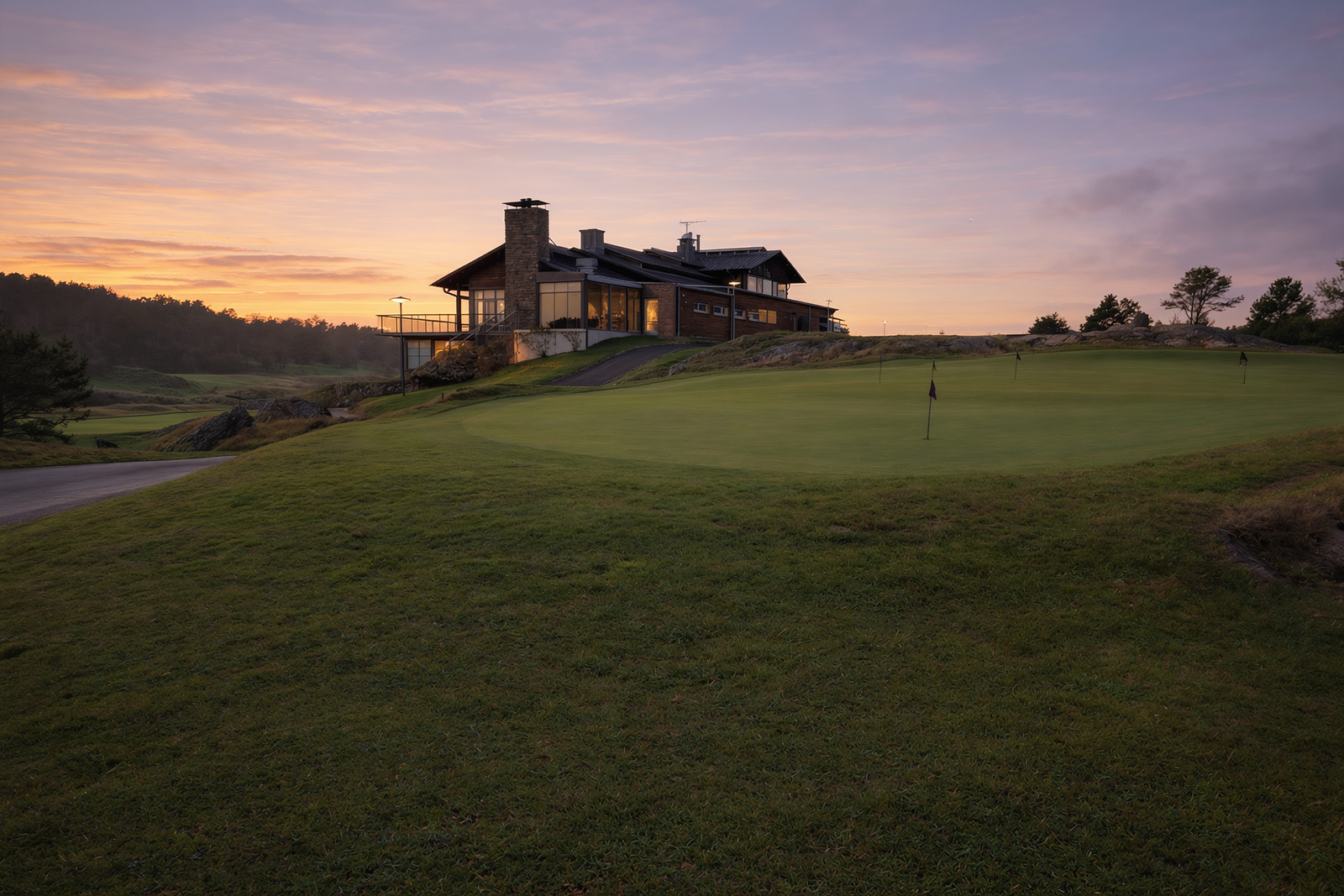
Blue Canyon's facilities are the most complete of any club on the island. There are two clubhouses — the main Canyon clubhouse is a big, colonial-flavoured building with the pro shop, locker rooms and a well-regarded restaurant (the club has long been known for its Japanese food, a leftover of its ownership history), and the Lakes side has its own smaller clubhouse and facilities. There's a spa for the non-golfer in your group or your own post-round shoulders, practice facilities, and a hotel on site, so you can genuinely stay at the club — golfers on a short, golf-only trip sometimes base themselves here and skip the beach towns entirely.
One honest note on condition, because it comes up in every Phuket golf conversation: Blue Canyon's playing surfaces have varied more over the years than its reputation suggests. The club has passed through different owners and investment cycles, and like many famous Asian courses of its generation it has had periods where the conditioning didn't match the name on the gate, followed by periods of real investment and recovery. None of that changes the quality of the design — the Canyon's bones are world-class in any year — but it's worth doing what locals do: ask your hotel or golf agent how the course is playing right now before you commit premium money, especially in the wet season. When Blue Canyon is in good nick, it's as good as golf gets in Thailand.
What it costs
Blue Canyon sits at the premium end of Phuket golf, alongside Red Mountain, and the Canyon Course commands the top of the pair. Treat these as typical ranges to budget by, and always confirm the current rate when you book — prices move by season, day and promotion:
- Canyon Course: typically around ฿4,000–5,500 for the green fee in high season.
- Lakes Course: typically around ฿2,500–4,000 in high season — a meaningful saving for a course at the same famous address.
- Low season (roughly May to October) and twilight or weekday promotions can take a substantial bite out of both figures; the club and the golf agents run deals worth hunting for.
- The extras, as everywhere in Phuket: caddies are compulsory, with the standard caddie fee normally rolled into what you pay the club and the tip — around ฿400–500 in cash for 18 holes — paid by you, directly to your caddie, at the end of the round. Cart fees are often bundled at Blue Canyon but check when booking; club rental for a decent set runs roughly ฿1,000–2,000.
All-in, a Canyon round with rental clubs will cost noticeably more than the headline fee. That's true at every premium course here — Blue Canyon is simply honest company at the top of the market.
The airport trick: arrival-day and departure-day golf
Here is the logistical fact that shapes a lot of smart Phuket golf trips: Blue Canyon is roughly ten minutes from Phuket International Airport, in the far north of the island. From Patong it's the better part of an hour's drive, which is why beach-based golfers sometimes skip it — and why flight-day golfers shouldn't.
If your flight lands in the morning, you can be on the Canyon's first tee before lunch and at your hotel by dinner, with the trophy round of the trip already banked. If you fly out in the evening, a morning round here ends with a shower in a proper locker room, a clubhouse lunch, and a ten-minute hop to departures — no cross-island transfer anxiety. Several of the island's golf agents build packages around exactly this. If you're staying in the north — Mai Khao, Nai Yang or Nai Thon, the quiet airport beaches — Blue Canyon is effectively your home course, and the Lakes becomes an easy second round rather than a day expedition.
The one warning: an early tee time here in high season is gold. The combination of tournament fame and airport convenience means visitor demand concentrates at this club; book ahead — a week or more in peak season — and take the earliest slot they'll give you. You'll beat the heat, the breeze and the crowds in one move.
Three local tips before you tee off
Listen to your caddie on the water holes. Blue Canyon's caddies have watched thousands of rounds disappear into those lakes, and they know precisely which lines the course is daring you to take and which ones are traps dressed as shortcuts. On the Canyon especially, the brave line and the smart line are rarely the same line — if your caddie quietly suggests the shorter club and the wider side, she is not doubting you, she is saving you. Caddies are compulsory here as everywhere in Phuket, and the standard fee is normally included in what you pay the club; the tip of around ฿400–500 in cash, handed over directly after the round, is yours to add.
Play the wind, not the card. The club sits close to the island's north coast, and by late morning a sea breeze often moves across both courses. It changes club selection on the exposed holes and makes the Canyon's water carries play longer than the yardage says. It's another reason the early tee times are the smart ones: calmer air, cooler temperatures, faster greens before the day's traffic.
Don't rush off afterwards. Blue Canyon's clubhouse is one of the few in Phuket that rewards lingering — a proper lunch, a terrace over the course, and none of the hurry of the resort clubs. Budget an unhurried hour after your round. It's part of what your green fee bought.
The short version
Play the Canyon if you're a decent golfer who wants to measure yourself against a course Tiger Woods won on — water everywhere, signature holes, no hiding places. Play the Lakes if you want the famous address, the lakes and the scenery with a scorecard you can show people afterwards. Stay for the clubhouse lunch, ask locally about current condition before you pay premium money, and if your flight schedule allows it, make Blue Canyon your first or last round of the trip — ten minutes from the runway is a gift no other big Phuket course can offer.


Comments
Post a Comment